Table of Contents
If you are considering tattoo removal, skin type is one of the key factors shaping your results. Tone, sensitivity, and natural pigment levels all influence how your skin reacts to laser energy, how fast ink fades, and how your body heals between sessions. At DermaCure Medical Aesthetics, this comes up daily with patients who want honest answers before committing time and money. Some worry about pain, others about pigment changes or scarring, and many are unsure what results are realistic for their skin. Understanding these differences early helps set clear expectations and leads to safer, more predictable outcomes.
How Laser Tattoo Removal Interacts With Skin and Ink
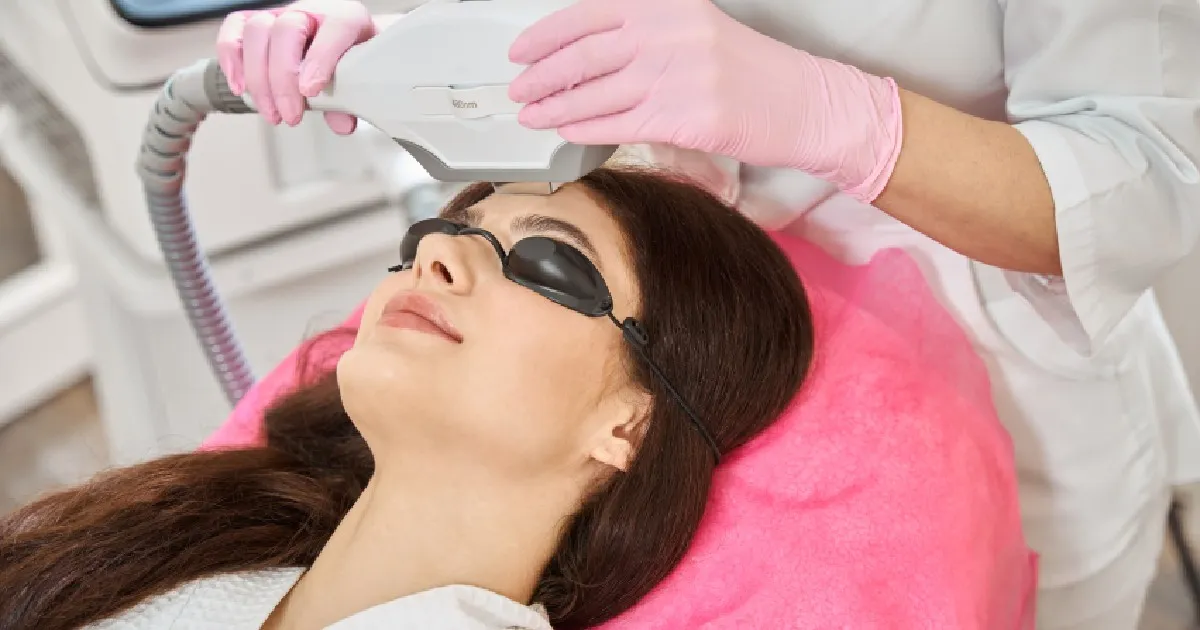
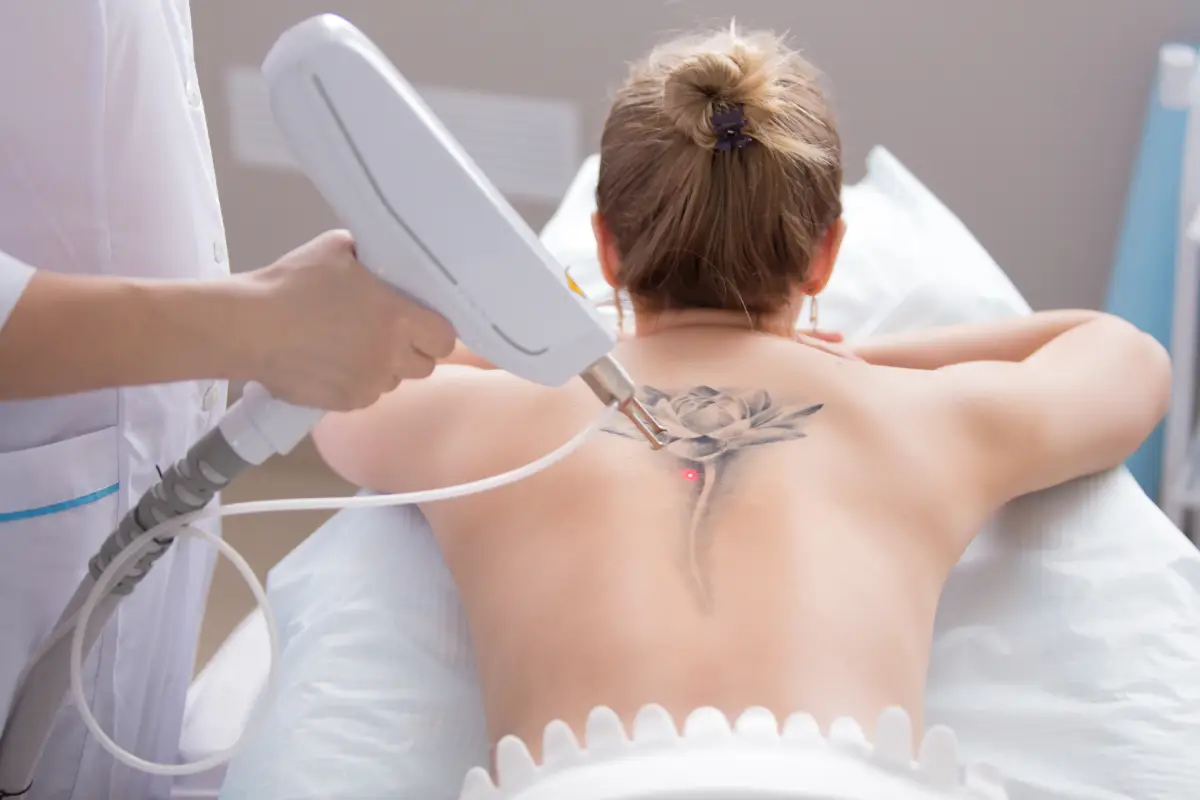
Laser tattoo removal works by sending focused pulses of light into the skin. That light breaks tattoo ink into tiny particles that the body gradually clears away. While the laser targets ink, it also interacts with melanin, the pigment that gives skin its color. The more melanin present, the more carefully the laser must be used.
This is why skin type matters. Lighter skin contains less melanin, allowing higher energy levels that can break ink faster. Medium- to olive-skinned individuals have more pigment, so treatments often use lower settings to protect the skin. Sensitivity adds another layer, since reactive skin may respond with redness or swelling even at gentle levels. These differences explain why fading speed, comfort, and risks vary from person to person.
Laser Tattoo Removal Results by Skin Type
Light and Fair Skin
People with fair or light skin often see quicker fading. With lower melanin levels, lasers can deliver more energy to the ink without heating surrounding tissue. This makes tattoo removal on light skin more efficient, especially for black and dark blue pigments.
Patients with fair complexions often respond well to laser tattoo removal, requiring fewer sessions for noticeable fading. The risk of pigment changes is lower, though proper spacing between sessions still matters. While results often appear sooner, patience is still required because the body clears ink gradually.
Medium Skin Tones
Medium skin tones fall in a balanced range. There is enough melanin to warrant caution, but not enough to limit treatment. For this group, tattoo fading on medium skin tone usually happens at a steady pace rather than rapidly.
Providers often adjust laser settings and extend the time between sessions. This allows the skin to heal fully and reduces the chance of uneven pigment. Fading is effective, but it tends to be more gradual, especially for dense or layered tattoos.
Olive Skin Tones
Olive skin contains higher melanin levels, which increase sensitivity to laser heat. When treated too aggressively, this skin type can develop light or dark patches. That is why laser treatments for olive skin tattoos rely heavily on careful calibration.
Results remain achievable, but they take time. Sessions are often spaced further apart, and fading appears slowly and evenly. This approach protects the skin while allowing ink to break down safely.
Sensitive Skin Across All Tones
Sensitive skin is not limited to one color. Some people simply react more strongly to heat or stimulation. For these patients, gentle tattoo removal for sensitive skin is key.
Lower energy levels, advanced cooling, and comfort measures help reduce irritation. Swelling or redness may persist longer, and additional sessions may be needed. The tradeoff is a safer experience with fewer complications.
Risk Factors That Vary by Skin Type
Every skin type carries different risks. Hyperpigmentation, where skin darkens, is more common in medium to olive tones if treatments are rushed. Hypopigmentation, or light spots, can also occur when melanin production is disrupted. Scarring is rare but more likely if the skin is sensitive or if aftercare is ignored.
Improper laser selection increases these risks. Using lighter skin settings on darker skin tones can cause unwanted reactions. This is why experience with diverse skin types matters as much as the technology itself.
How Providers Adjust Treatment Based on Skin Type
A skilled provider does not use the same approach for everyone. Laser wavelength is selected based on both ink color and skin tone. Energy levels are adjusted to balance ink breakdown with skin safety. Cooling methods help control heat and improve comfort, especially for patients seeking painless tattoo removal options.
Session spacing also changes. Fair skin may tolerate shorter intervals, while olive or sensitive skin benefits from longer breaks. These adjustments enable safe laser tattoo removal across a wide range of complexions.
What Results to Expect Based on Your Skin Type
Fading speed varies. Light skin often shows faster results, while medium and olive tones progress steadily over time. Most tattoos need multiple sessions, regardless of skin type, and dense designs take longer than lighter ones. Full removal is possible for many patients, though some choose tattoo fading treatment instead, especially when preparing for a cover-up.
Patience is especially important for medium and olive skin tones. Slower progress does not mean poor results. It reflects a careful approach that protects skin health while clearing ink.
Importance of Professional Assessment Before Treatment
Before starting treatment, skin typing is essential. A consultation allows the provider to evaluate tone, sensitivity, ink depth, and color. Patch testing may be recommended to see how your skin responds. This avoids one-size-fits-all plans and reduces guesswork.
At DermaCure Medical Aesthetics, consultations also provide patients with an opportunity to discuss pain control, cost, and timelines. This clarity builds confidence and helps patients move forward with realistic expectations, especially those searching for Laser Tattoo Removal in Valencia, CA.
Final Thoughts and Next Steps
Skin type directly affects safety, comfort, and results for Laser Tattoo Removal. Fair skin often fades faster, medium and olive tones require a slower pace, and sensitive skin needs extra care. None of these differences is an obstacle when treatments are planned correctly. What matters most is an informed approach guided by experience and modern technology.
If you want personalized guidance and clear answers about your skin and tattoo, the next step is a professional evaluation. Schedule a consultation to learn what results you can expect and how your treatment plan would be designed with your skin in mind.