
Table of Contents
It can be frustrating to love your Botox results at first, only to feel movement return sooner than expected. Maybe your forehead lines softened beautifully, but a few weeks later, frown lines, crow’s feet, or brow movement started coming back faster than you hoped. If you have searched for Botox results and found that your results faded sooner than expected, you are not alone.
At DermaCure Medical Aesthetics, patients interested in Botox results in Valencia, CA often want natural-looking smoothing that fits their face, lifestyle, and long-term goals. Understanding what affects wrinkle treatment duration can help you plan more effectively, maintain results more consistently, and avoid habits that may shorten your results.
How long do Botox results usually last?
Botox and similar neuromodulators often last about three to four months. Still, results can vary based on treatment area, dosage, muscle strength, metabolism, product type, lifestyle, and consistency with Botox maintenance.
Why Botox Results Fade Over Time
Botox is not permanent because the body gradually restores communication between nerves and treated muscles. When this happens, movement slowly returns. Lines may begin to reappear as muscles become active again, especially in areas used often during facial expression.
This does not mean the treatment failed. It simply means the neuromodulator is wearing off as expected. Some people notice a slow return of movement after a few months, while others feel their results fade sooner.
How Botox and Other Neuromodulators Work
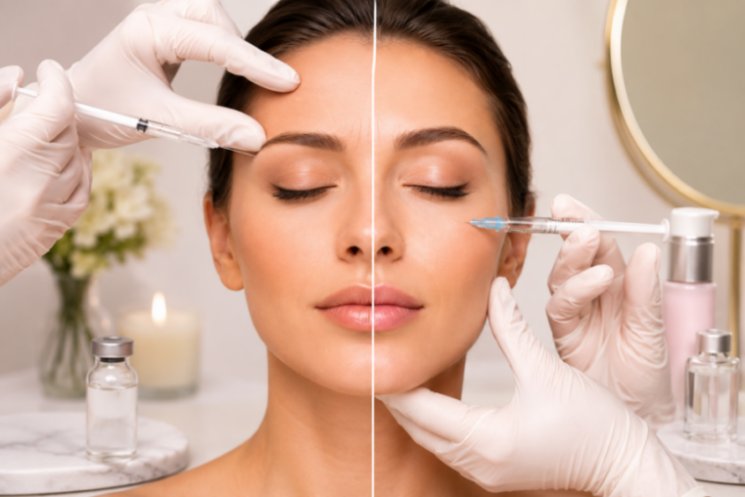
Botox, Dysport, and Daxxify are neuromodulator injections that temporarily relax targeted muscles. These products are commonly used to smooth dynamic wrinkles, which are lines caused by repeated movements such as frowning, smiling, squinting, or raising the brows.
At DermaCure Medical Aesthetics, neuromodulator treatments may be used for areas such as bunny lines, brow lift, lip flip, neck bands, chin dimpling, masseter muscles, mouth corners, nasal flaring, hyperhidrosis, and more. Treatment is typically quick, often completed in about 15 to 30 minutes, with little to no downtime for many patients.
Botox Results How Long: What Affects Your Timeline
When patients ask how long Botox lasts, the most honest answer is that it depends. Many people see optimal results within 3 to 14 days after treatment, and results may last around three to four months. However, several factors can influence this timeline.
Muscle strength is one major factor. Stronger muscles, such as the masseters or the deeply active forehead muscles, may respond to treatment faster. Treatment dose also matters. If the amount used is too conservative for the muscle strength, results may soften at first but fade sooner than expected.
Product Choice Can Influence Longevity
There is more to Botox than just a neuromodulator. Depending on the treatment area, patient preference, and professional recommendation, Dysport and Daxxify may be recommended. Each has different qualities, and some patients respond better to one or the other.
So consultation is important. Your clinician can review your facial movements, past treatment history, goals, and concerns before prescribing a product. Sometimes, the longer-lasting outcomes are less about picking the most popular brand and more about picking the perfect product for your anatomy.
Placement and Technique Matter
The injector’s competence is a major factor in how Botox looks and how long it lasts. Precise placement allows you to hit the correct muscles without needlessly hitting surrounding areas. This is especially true for delicate areas such as the brow, eyes, mouth, and neck.
A conscientious clinician will analyze muscle mobility, facial symmetry, expression patterns, and your natural features before injecting. Customized positioning tends to produce more natural-feeling, balanced-looking results.
Your Metabolism and Lifestyle Can Make a Difference
Some people metabolize neuromodulators naturally faster than others. Results may vary depending on the individual’s metabolism, workout program, and muscle activity. That’s not to say you shouldn’t be active, but it may help explain why your timeframe isn’t the same as someone else’s.
Lifestyle behaviors can also affect the skin again. Sun exposure, smoking, dehydration, stress, sleep deprivation, and irregular skincare can make wrinkles look more pronounced as movement comes back. Botox relaxes muscles, but good skincare practices can help keep your skin smooth between Botox visits.
Aftercare Can Support Better Results
Following aftercare instructions is one of the simplest ways to extend the longevity of Botox. Your provider may recommend avoiding rubbing or massaging treated areas, lying flat too soon, intense exercise, saunas, or facial treatments for a short period after your appointment.
These instructions help reduce the chance of product movement and support the treatment settling. While aftercare cannot make Botox last forever, it can help protect the quality of your results in the first few hours after treatment.
Why First-Time Botox May Not Last as Long
With first-time Botox patients, occasionally, there is a feeling that the benefits don’t stay as long as they expected. This is possible because the treated muscles are still strong and used to repetitive activity. Over time, the muscles can be trained to relax more easily with frequent treatment.
But it doesn’t imply you should over-treat. Botox maintenance should be planned thoughtfully. Depending on how your muscles respond, your provider may propose a plan that doesn’t wait for complete movement to return each time.
How Regular Maintenance Helps
Botox maintenance can help prevent dynamic wrinkles from being more deeply engraved in the skin. If the treatments are well-timed, the muscles may not regain their full strength between consultations, resulting in more consistent results.
Most patients will do maintenance every 3-4 months, but it varies. Some may require therapy earlier, some may wait longer. The ideal schedule depends on your goals, areas being treated, muscle strength, and your response to the specific neuromodulator used.
Common Areas That May Need Different Timing
Not all Botox treatment areas last the same amount of time. Forehead lines may behave differently than crow’s feet, masseters, neck bands, or a lip flip. Areas with frequent movement may seem to return faster, while larger muscles may require a more customized dose.
For example, a lip flip may not last as long as other areas because the mouth is constantly moving. Masseter treatment may require more product due to muscle size. A brow lift, or Nefertiti lift, requires careful placement because balance matters as much as longevity.
A Smarter Way to Support Smoother Results
Botox results can vary, but the right product, precise placement, appropriate dosing, good aftercare, consistent maintenance, and healthy skin habits can all help support smoother results for longer.
If you are wondering about Botox results and how long they should last for your face, visit DermaCure Medical Aesthetics to discuss a personalized neuromodulator plan. Book Your Botox Consultation Today and learn how Botox, Dysport, Daxxify, and other toxin treatments may fit your goals in Valencia, CA.